 PatrickKelly
PatricksArticles
PatricksBooks
worldwideWay
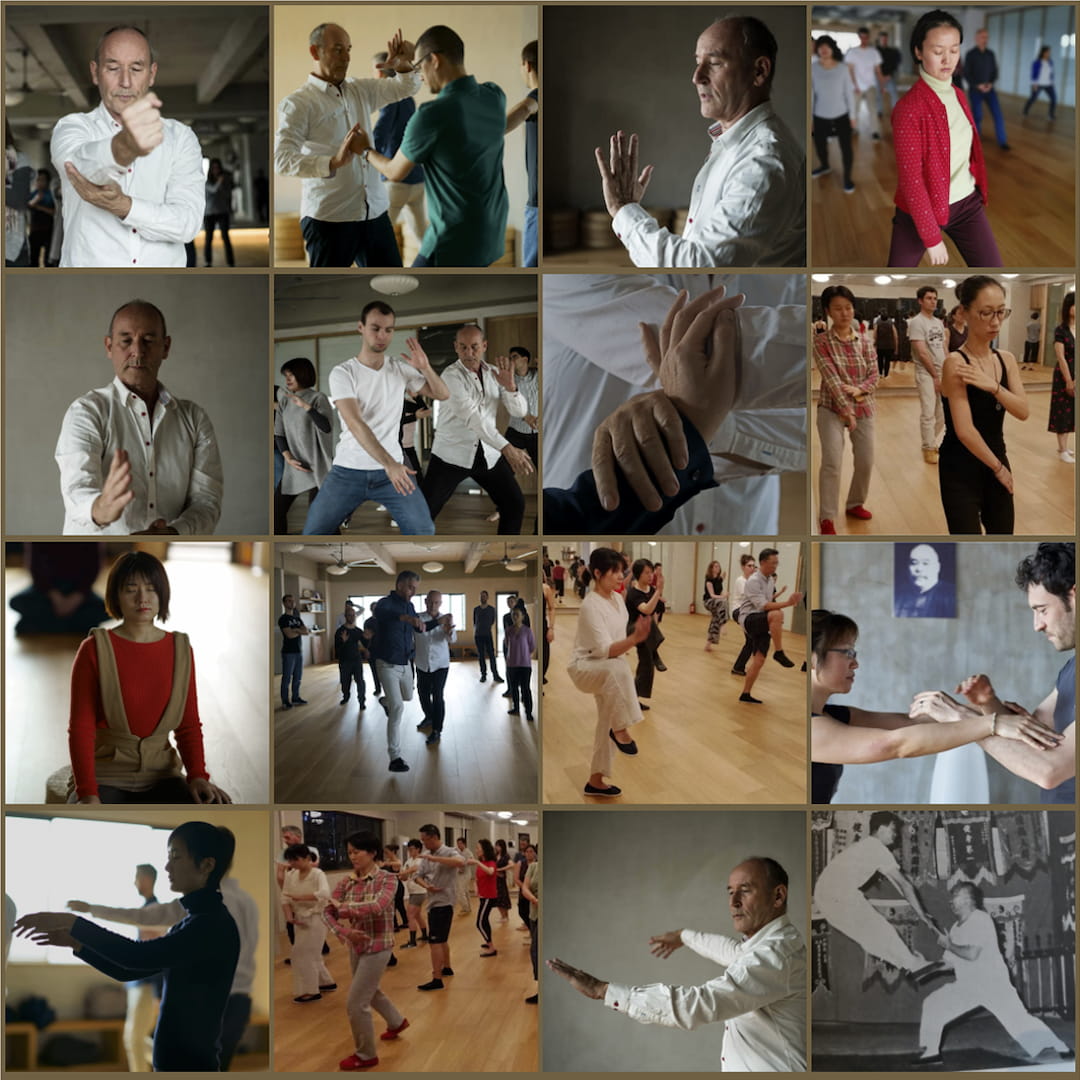
The purpose of taiji is the great purpose of Life itself – internal evolution. Patrick teaches an intelligent synthesis of Daoist, Sufi & Yogic internal work. Immersed 50yrs in these 3 great esoteric streams Patrick's true contact enlivens this teaching which leads deeply inside towards the one formless Source – which has no name.
PatrickKelly
PatricksArticles
PatricksBooks
worldwideWay
The purpose of taiji is the great purpose of Life itself – internal evolution. Patrick teaches an intelligent synthesis of Daoist, Sufi & Yogic internal work. Immersed 50yrs in these 3 great esoteric streams Patrick's true contact enlivens this teaching which leads deeply inside towards the one formless Source – which has no name.
Patrick has authored 4 books on taiji & meditation (in English, French, German, Italian, Spanish, Chinese). He guides a world network of 100 teachers and 1000s of students.
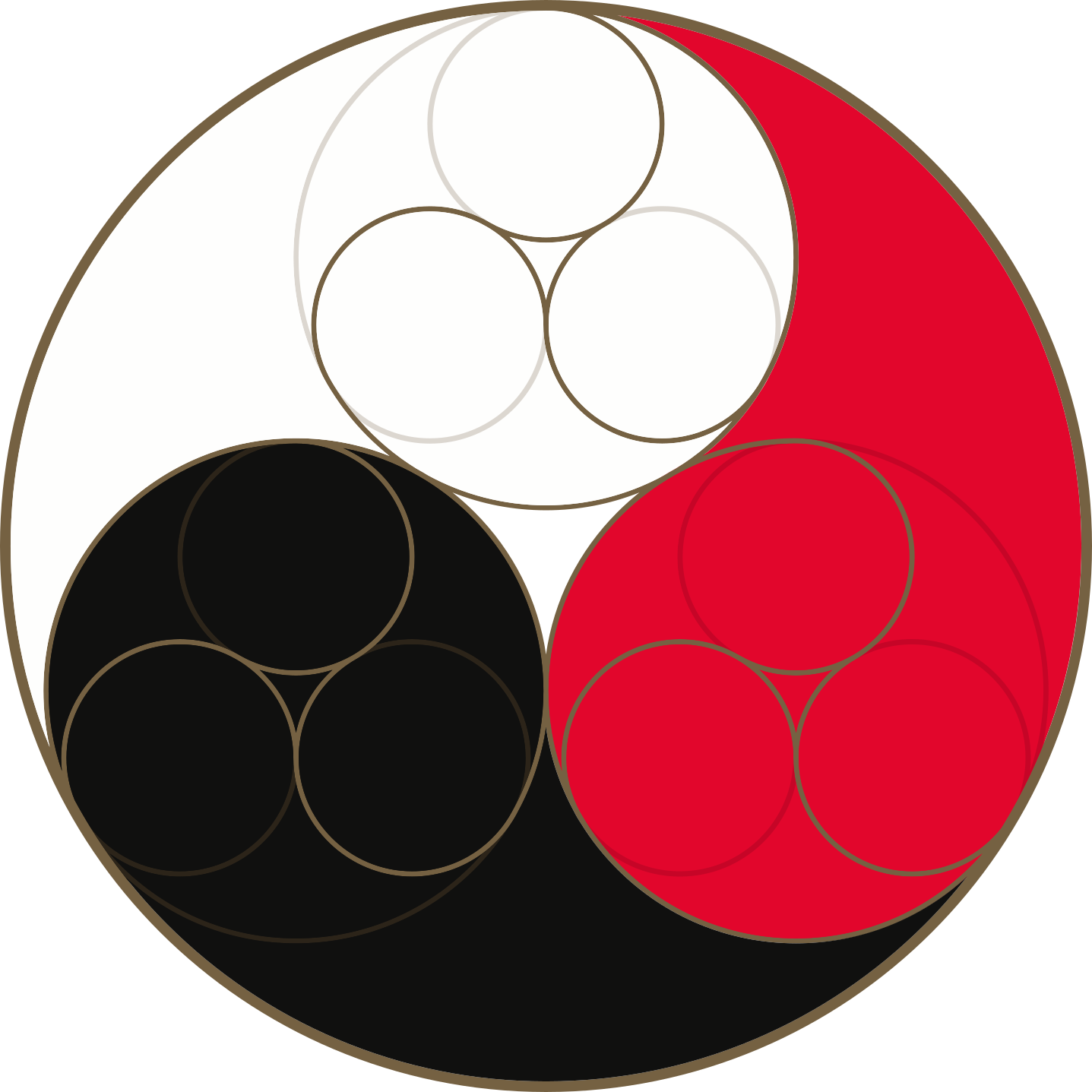 yinyang
太極三儀 TàijíSānYí
太極圖进化 Taiji Diagram Evolved
陰 陽 雍 yīn yáng yōng
receiving responding reconciling
《道德經》 – Dao De Jing:
"道生一 Dao gave rise to one
一生二 one produced two
二生三 two produced three
三生萬物 three produced myriads
萬物負陰而抱陽 myriads bear Yin, embrace Yang
沖氣以為和 harmonised by immaterial Qi
 taijiShanghai
taijiLondon
taijiChiangMai
taijiAuckland
taijiZurich
The further back in time we look the more obscure the history of Taiji becomes. Yet studying this past, 2 things become clear. Taiji's inner essence flows down from genuine teachers to sincere pupils in unbroken chains. Each teacher devises a personal system to express and pass on the impersonal inner teaching. The teaching must evolve outwardly or die inwardly.
taijiShanghai
taijiLondon
taijiChiangMai
taijiAuckland
taijiZurich
The further back in time we look the more obscure the history of Taiji becomes. Yet studying this past, 2 things become clear. Taiji's inner essence flows down from genuine teachers to sincere pupils in unbroken chains. Each teacher devises a personal system to express and pass on the impersonal inner teaching. The teaching must evolve outwardly or die inwardly.
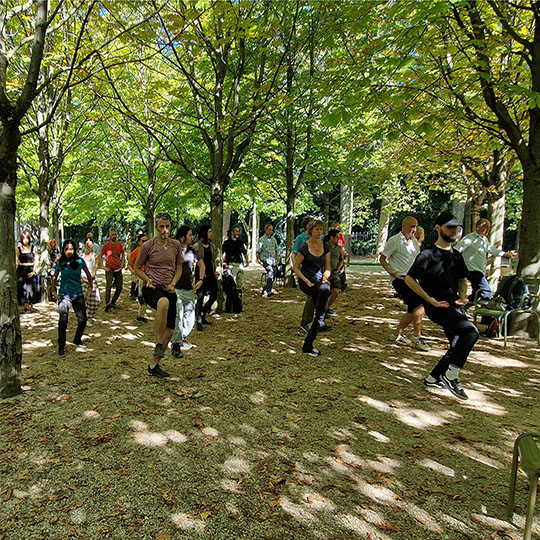 WorldwideSeminars
WorldwideSchools
We Train
WorldwideSeminars
WorldwideSchools
We TrainHuang Xingxian 5 Loosenings
ZhengManqing (郑曼青) 37Form
YangChengfu (杨澄甫) 108Form
HuangXingxian (黃性賢) FastForm
8 fixed-step Pushing-Hands
8 moving-step Pushing-Hands
15min guided meditation
 huangxingxian
taiji
huangxingxian
taiji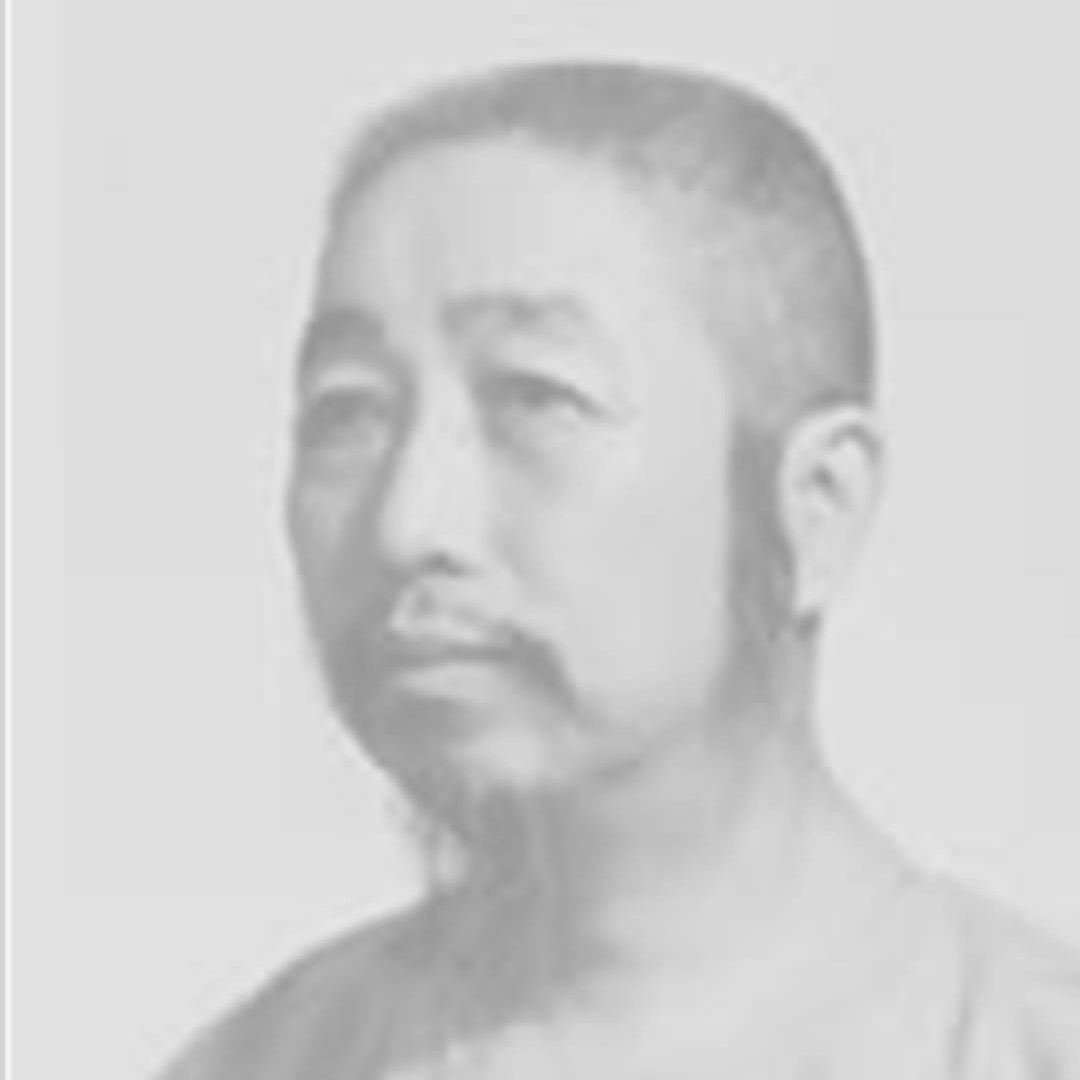 ZhengManqing
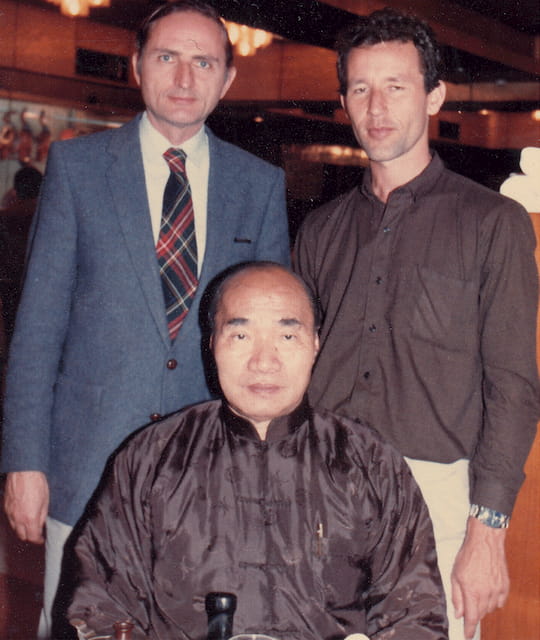
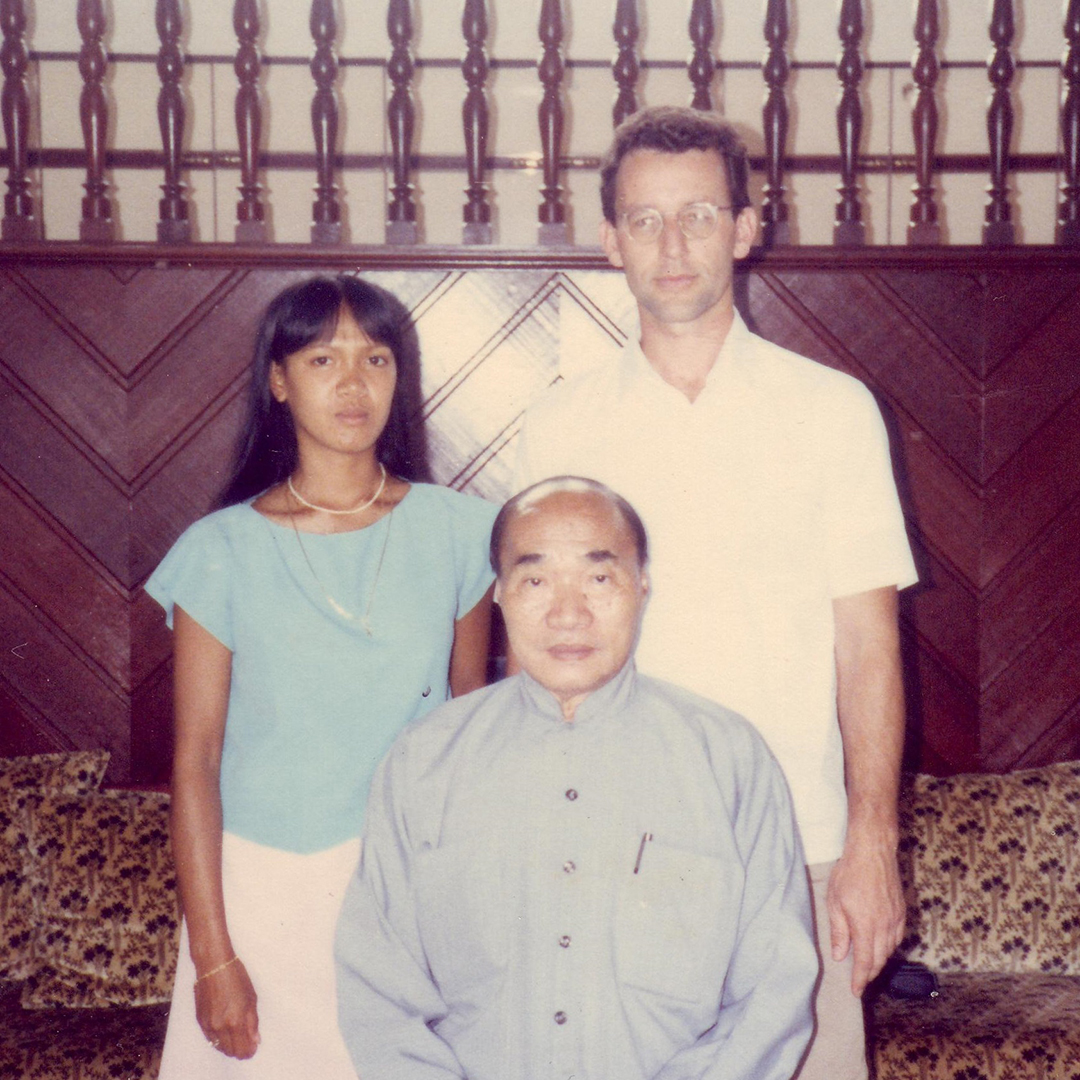
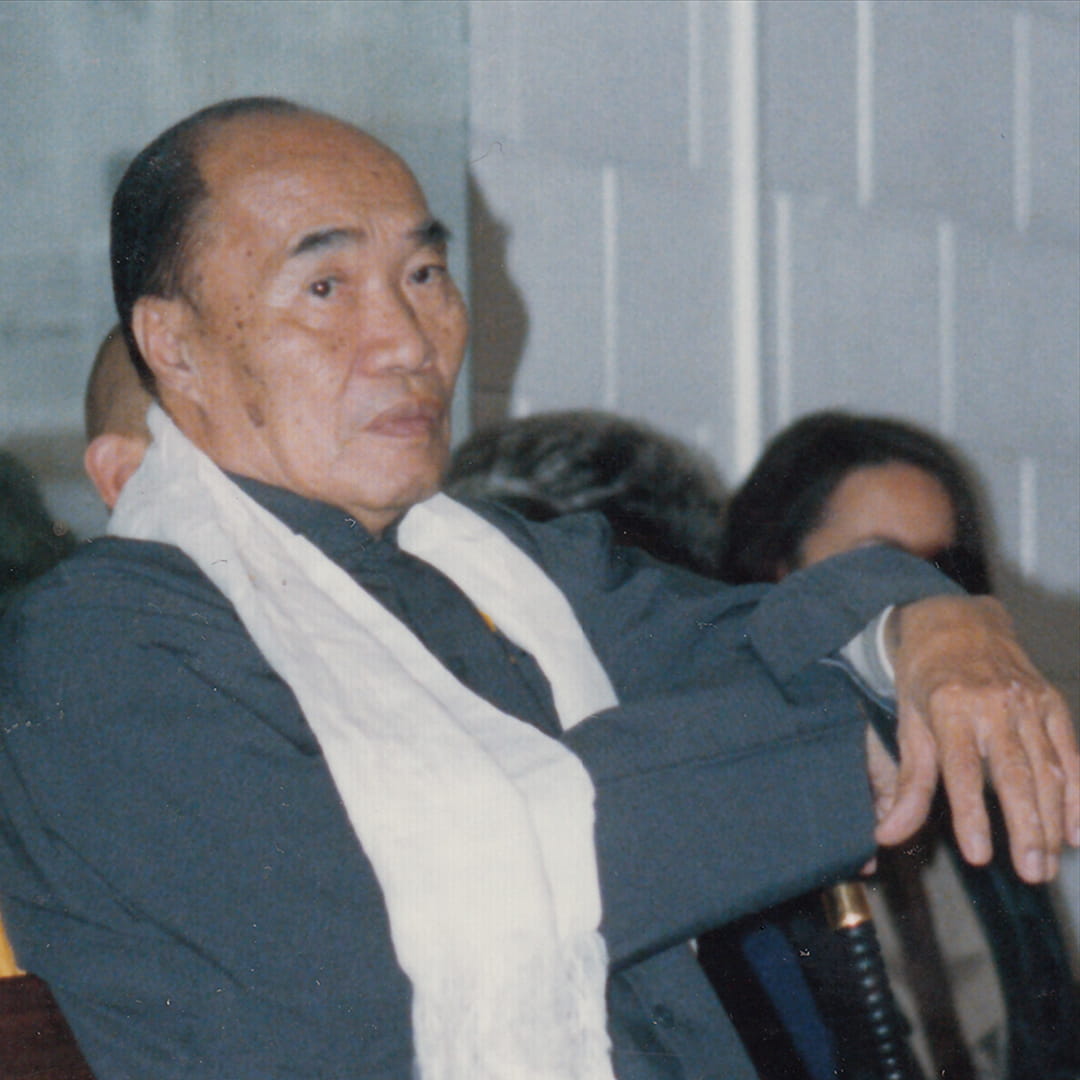
Huang Xingxian began taiji with Zheng Manqing (郑曼青 1901–1975) in 1947. Huang is generally regarded as Zheng's most accomplished disciple. From 1958 on, following Zheng's advice, Huang established 40 schools and taught 10,000 people in Singapore and Malaysia. He moved to New Zealand shortly before his death in 1992.
ZhengManqing
Huang Xingxian began taiji with Zheng Manqing (郑曼青 1901–1975) in 1947. Huang is generally regarded as Zheng's most accomplished disciple. From 1958 on, following Zheng's advice, Huang established 40 schools and taught 10,000 people in Singapore and Malaysia. He moved to New Zealand shortly before his death in 1992.
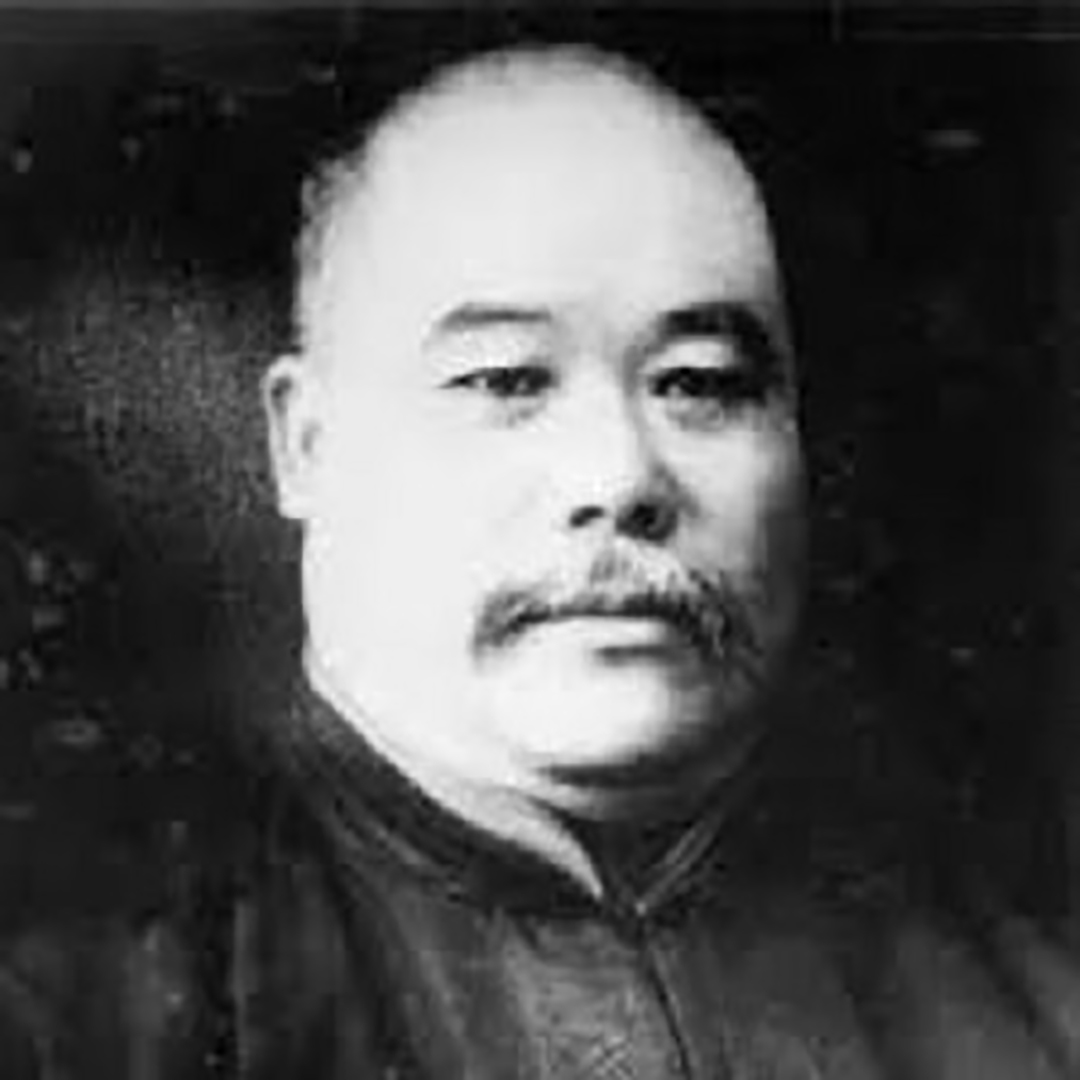 YangChengfu
Zheng Manqing was a disciple of Yang Chengfu (杨澄甫 1883–1936). Yang studied taiji with his father Yang Jianhou (楊健侯 1839–1917) and uncle Yang Banhou (楊班侯 1837–1890), along with other senior students of his grandfather Yang Luchan.
YangChengfu
Zheng Manqing was a disciple of Yang Chengfu (杨澄甫 1883–1936). Yang studied taiji with his father Yang Jianhou (楊健侯 1839–1917) and uncle Yang Banhou (楊班侯 1837–1890), along with other senior students of his grandfather Yang Luchan.
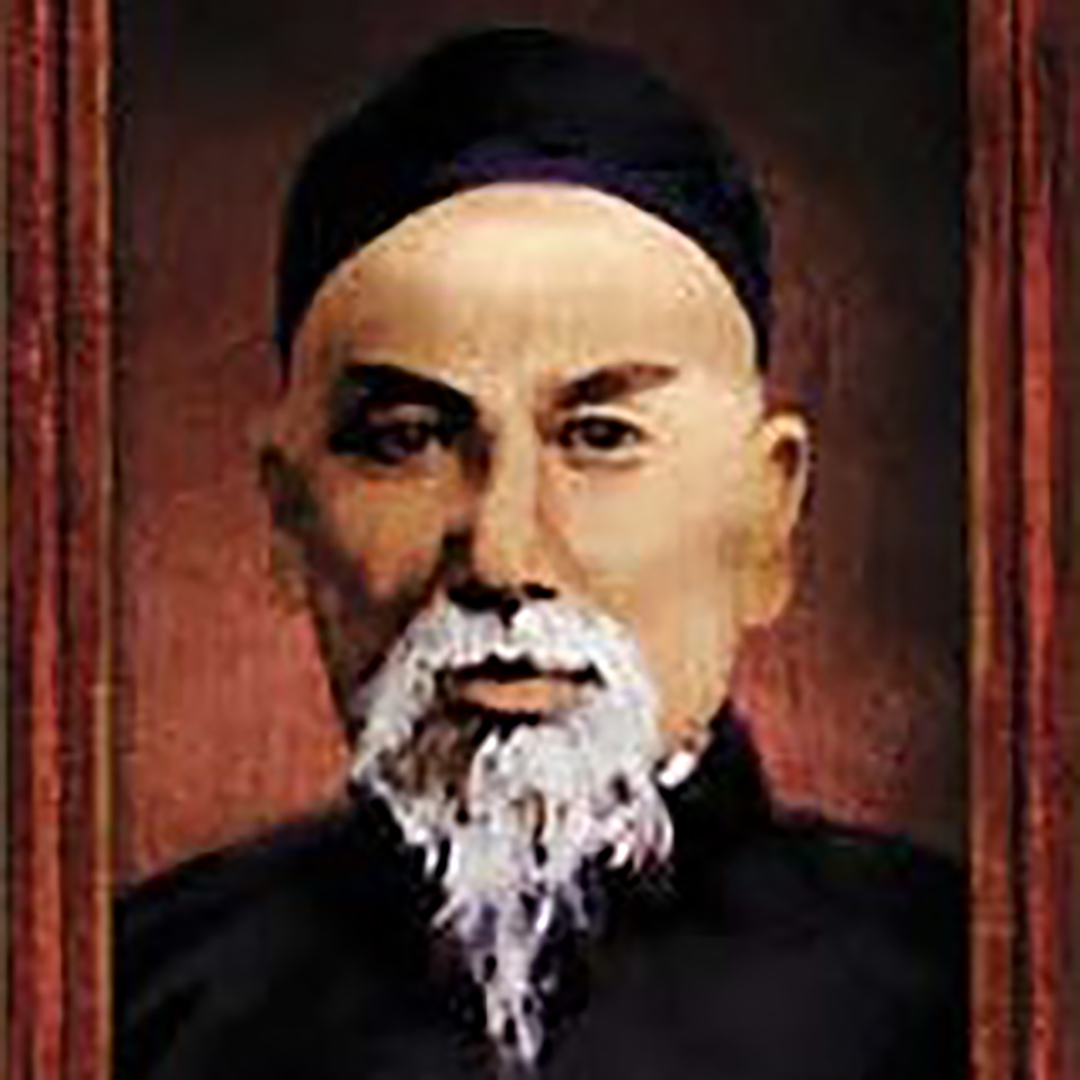 YangLuchan
YangHistory
The name "taiji" was first given to the art of Yang Luchan (杨露禅, 1799–1872), according to imperial records, by the famous Qing Dynasty scholar Weng Tonghe (翁同龢, 1830–1904). Previously Yang’s art had been referred to as Mian Quan (綿拳 Continuous Fist) or Hua Quan (化拳 Neutralising Fist). He was famous for never losing a match or seriously injuring his opponents. Having refined his art to an extremely high level, he came to be known as Yang Wudi (楊無敵, Yang the Invincible).
YangLuchan
YangHistory
The name "taiji" was first given to the art of Yang Luchan (杨露禅, 1799–1872), according to imperial records, by the famous Qing Dynasty scholar Weng Tonghe (翁同龢, 1830–1904). Previously Yang’s art had been referred to as Mian Quan (綿拳 Continuous Fist) or Hua Quan (化拳 Neutralising Fist). He was famous for never losing a match or seriously injuring his opponents. Having refined his art to an extremely high level, he came to be known as Yang Wudi (楊無敵, Yang the Invincible).
 精Jing
氣Qi
神Shen
九霄雲外
精Jing
氣Qi
神Shen
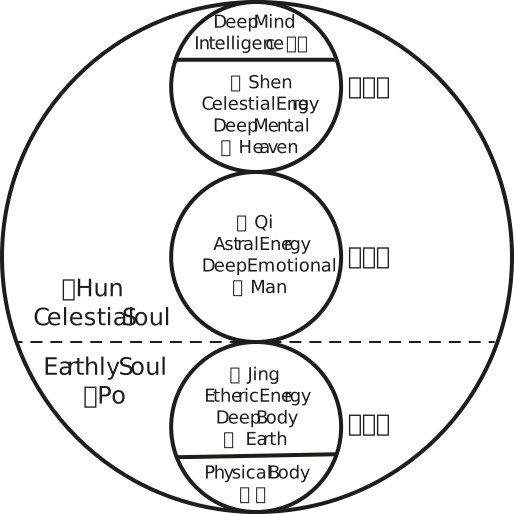
九霄雲外– Deep Body or Physical-Etheric realm
– Deep Emotional or Astral realm
– Deep Mental or Celestial realm.
Internally these correspond to the energies of the Lower, Middle and Upper Dantian (精Jing, 氣Qi, 神Shen). Each of these has 3 sub-levels, giving the nineclouds (九霄).
 Interview


上海江阿 姨Shanghai Morning News
9cloudsShanghai
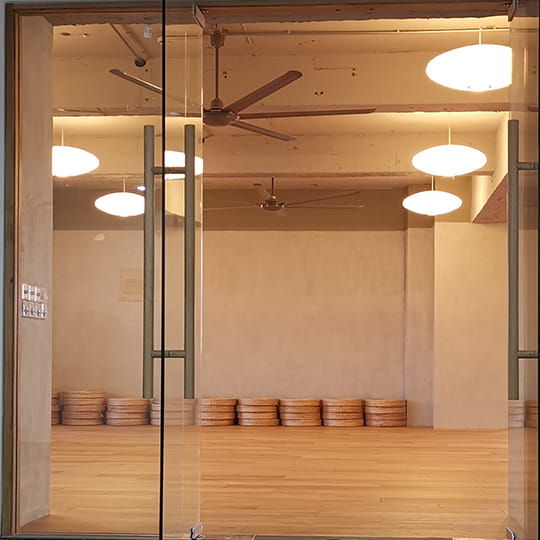
在上海中心地带,九霄會館是一处优雅、清新、充满自然光线的活动与课程空间。
上海徐汇区襄阳南路218号现代大厦1301室(近IAPM)
地铁陕西南路站可乘坐1,10,12号线 微信: ninecloudstaiji
手机: 13636345534(短信)
 微信WeChat 服务号
Contact
微信WeChat 服务号
Contactwechat: ninecloudstaiji
email: taiji@pm.me
Design & Code by Patrick Kelly, All Rights Reserved.
You may copy parts of this site with suitable acknowledgement.
陰 雍 陽 © symbol of the worldwideway
BackUp